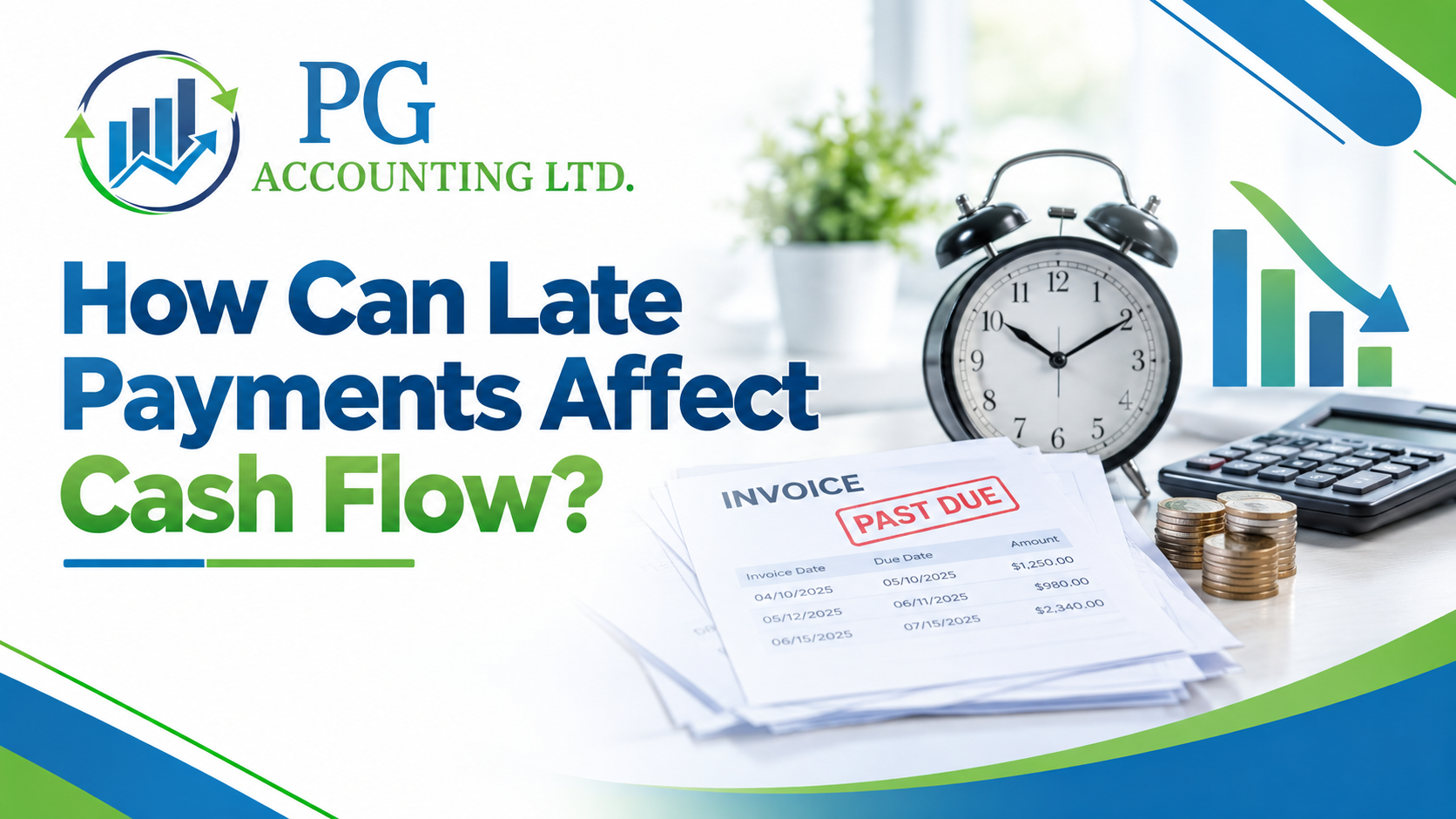
Late problems can reduce the availability of cash and create gaps between when you need money and when you receive it. This allows the business to delay its own payments, seek expensive short-term financing and also miss growth opportunities. The ripple effect of the relationship between suppliers extends far beyond the missing money, employee morale and the ability to operate smoothly.
What Happens To Cash Flow With Delayed Payments?
- When customers do not pay on time, this creates a gap in working capital, and you are unable to cope with payroll remittance deadlines in Canada.
- This mismatch of timing forces you to make difficult decisions. You may delay payment to your own supplier, which can affect the relationship with the supplier and decrease the credit rating. Alternatively, you will be forced to dip into cash reserves which are meant for other purposes or take emergency financing at unfavourable rates.
- The impact can change quickly because cash flow problems can affect your ability to negotiate better terms, take advantage of early payment discounts or invest in growth opportunities. What starts as the customer paying 30 days late can surge into months of financial strain as you face the problem of realigning with cash timing.
- Financial planning becomes impossible when you receive payments unpredictably. You are not able to commit confidently to new projects, make purchases for necessary equipment and hire additional staff because you are not sure when your outstanding invoices will be paid.
Why Do Late Payments Create Problems More Than Missing Money?
- The important thing that leads to reduced business growth is constantly worrying about cash flow and payroll remittance deadlines in Surrey, Canada. Team morale also declines when they realize that the business is struggling with financial operations.
- Administrative costs increase when you apply a complex tracking system, potentially hire legal services or collection agencies and spend time on collection calls. These expenses can reduce the profit margins while consuming valuable management time.
- You will also miss opportunities that require financial decisions on an immediate basis. Whether it's a strategic investment, a bulk purchase discount or responding to competitive threats, cash flow makes it difficult to act conclusively when opportunities arise.
For How Much Time Can A Business Survive With Continuous Late Payments?
- A small business can handle delayed payments only for a few months; for a long period of time, they can become dangerous for the business, as it can reduce growth. The exact timeline depends on profit margins and the Payroll Remittance Deadline Canada guide.
- Businesses with less profit margin can face critical situations faster than businesses with substantial reserves. If more than 20% to 30% of customers are paying consistently late, then you will experience the stress related to cash flow within 60 to 90 days. Companies with different revenue patterns are vulnerable during their slower periods.
Final Thoughts
Late payments are more than an administrative hassle; they are a severe threat to the financial health of your business. When the revenue stalls, the resulting cash flow crunch restricts the working capital and freezes daily operations. It affects vendor relationships and limits new growth opportunities. For the best bookkeeping, payroll and tax services, you can engage with the professionals at PG Accounting Ltd., and the team of expert accountants can also clear payroll remittance deadlines Canada questions so that your business can grow and seek growth opportunities.
Frequently asked questions
What percentage of late payment can trigger action on an immediate basis?
When 15 to 20% of receivables each month are delayed, then immediate intervention is required.
How to calculate the true cost of late payments?
To calculate the true cost of late payments, include both direct and indirect costs.
Can discounts be offered for early payments?
Yes, discounts for early payment can improve cash flow.
How to handle the best customer that recently started paying late?
The best way to handle those customers is to contact them immediately with a direct conversation instead of sending reminders.
How to protect business from late payments?
To protect the business from late payments, increase the deposit requirement to 50% or more